Widespread Avocado Oil ‘Adulteration’ Alleged by UC-Davis Study
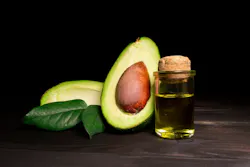
University of California at Davis researchers in July published a report that the majority of avocado oil-labeled products they tested were “adulterated” with cheaper oils. Now come the lawsuits and an investigation by Texas Attorney General Ken Paxton.
Citing the UC-Davis study, Paxton on Aug. 20 issued civil investigative demands to chip-maker Siete Foods (owned by PepsiCo) and mayonnaise and salad dressing companies Primal Kitchen (owned by Kraft Heinz) and Chosen Foods, “with additional companies to possibly follow,” his office wrote. They claim their products were made with avocado oil.
And on Monday of this week (Aug. 24), a class action lawsuit was filed in the U.S. District Court for the Eastern District of Louisiana against Utz Brands Inc. The plaintiff said he paid a premium for the company’s Boulder Canyon potato chips, labeled as containing avocado oil, but the UC-Davis study showed they were made with cheaper oils.
Somewhere in all of this are links to Health & Human Services Secretary Robert Kennedy and the Make America Healthy Again movement. Kennedy and others in the MAHA movement have promoted the use of oils from avocado, olives and beef tallow and linked canola, sunflower and other seed oils to inflammation – which has been disputed by scientists.
The UC-Davis study was published online July 11 in Applied Food Research. A UC-Davis news article summarizing it was headlined, “That Avocado Oil Chip You’re Eating May Not Be Made With Pure Avocado Oil.”
The study found 89% of avocado oil-labeled processed foods – not just chips – that were tested contained at least some other oils. “48 of the 54 avocado oil-labeled products were adulterated with cheaper oils,” the report said.
Researchers purchased the products in 2025 and 2026 from online retailers and California stores. They found that of the products tested, 93% of chips, 71% of mayonnaises and 100% of salad dressings labeled as authentic avocado oil contained other oils. By contrast, when researchers applied the same purity tests to 20 olive oil-labeled processed foods, only one failed.
“The gap between avocado and olive oil results reflects the fact that olive oil authenticity has been studied, tested and scrutinized for decades,” the report said. “Avocado oil is a relatively new and expensive product category and has not been monitored at the same level. As a result, consumers have less protection against misleading labels.”
"Consumers are increasingly paying a premium for products made with avocado oil or olive oil,” said lead author Selina Wang, professor of cooperative extension in the UC Davis Dept. of Food Science and Technology. "They deserve to get what they pay for, and food manufacturers deserve confidence that the ingredients they purchase from suppliers are authentic."
Wang acknowledged processors may not know they are using adulterated oil. Many food companies source their oils from third-party brokers or from several different suppliers. Without rigorous testing, food companies may never detect adulterated oil. Wang said the adulteration likely originates with oil suppliers. “I don't think there is enough accountability throughout the supply chain,” she said.
About the Author
Dave Fusaro
Editor in Chief
Dave Fusaro has served as editor in chief of Food Processing magazine since 2003. Dave has 30 years experience in food & beverage industry journalism and has won several national ASBPE writing awards for his Food Processing stories. Dave has been interviewed on CNN, quoted in national newspapers and he authored a 200-page market research report on the milk industry. Formerly an award-winning newspaper reporter who specialized in business writing, he holds a BA in journalism from Marquette University. Prior to joining Food Processing, Dave was Editor-In-Chief of Dairy Foods and was Managing Editor of Prepared Foods.