Purdue Researchers Develop New Assay to Detect E. Coli O157:H7 Faster
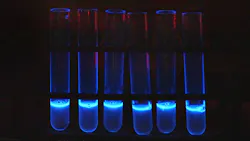
A team from Purdue University has developed a new assay to detect E. coli O157:H7 in ground beef that claims to shorten the time it takes to get test results, according to a release from the university’s Agricultural Communications department.
The system is based on bacteriophage (or phage) technology. After infecting E. coli O157:H7, the phage — which has been genetically modified — produces an enzyme that makes light and causes the infected cells to glow, indicating the presence of the pathogen. The enrichment step, by this time, will have created thousands of copies of the pathogen in the sample from a single specimen — therefore, phage infection should cause the entire culture to glow.
About the Author
Andy Hanacek
Senior Editor
Andy Hanacek has covered meat, poultry, bakery and snack foods as a B2B editor for nearly 20 years, and has toured hundreds of processing plants and food companies, sharing stories of innovation and technological advancement throughout the food supply chain. In 2018, he won a Folio:Eddie Award for his unique "From the Editor's Desk" video blogs, and he has brought home additional awards from Folio and ASBPE over the years. In addition, Hanacek led the Meat Industry Hall of Fame for several years and was vice president of communications for We R Food Safety, a food safety software and consulting company.